
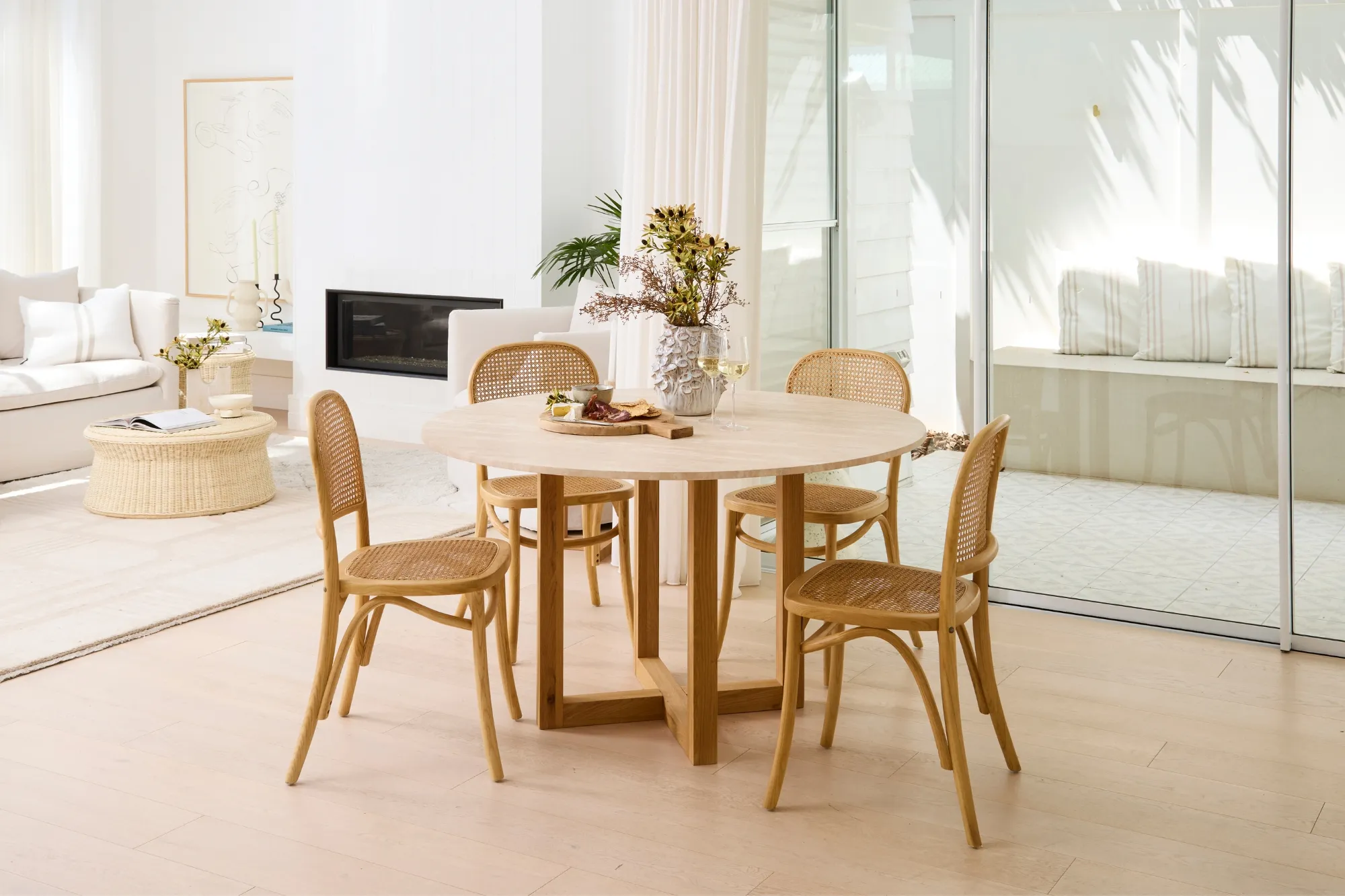
What does “long-lasting” actually mean for an Australian dining setting?
It means the table stays flat, joints stay tight, and chairs don’t wobble after years of use. In practice, choosing a dining table and chair set that lasts is about buying for real life: hot plates, sandy feet after the beach, dry heaters in winter, and humidity in summer.
In Australian homes, durability also means finishes that resist stains and UV, plus designs that can handle frequent moving on hard floors.
Which materials last longest in Australian conditions?
Solid hardwoods and quality metal frames tend to outlast cheaper composites when properly made. For many households, choosing a dining table and chair set that lasts starts with timber selection and how it’s sealed for local climates.
Popular long-wear options include Victorian ash, Tasmanian oak, spotted gum, and blackbutt. Engineered timber can still be a good pick if it uses thick veneers and stable cores, but thin veneers and soft substrates usually show damage faster.
Is solid timber always better than veneer or engineered tops?
Not always, but it’s often easier to refinish and keep looking new. If they’re focused on choosing a dining table and chair set that lasts, solid timber offers repairability: minor dents can be sanded, and worn finishes can be re-coated.
A high-quality veneer top can be stable and attractive, especially in homes where temperature swings are common. The key is thickness, edge detailing, and whether the top is protected with a hard-wearing finish rather than a thin, easily scratched coating.
What table shapes and edge details survive everyday knocks?
Rounded corners and thicker edge profiles handle daily bumps better than sharp, thin edges. When choosing a dining table and chair set that lasts, the shape matters because edges are where wear shows first.
Round and oval tables reduce corner damage and suit tighter walkways in apartments and smaller homes. For rectangles, bullnose or rounded edges generally chip less than square profiles, especially in busy family spaces.
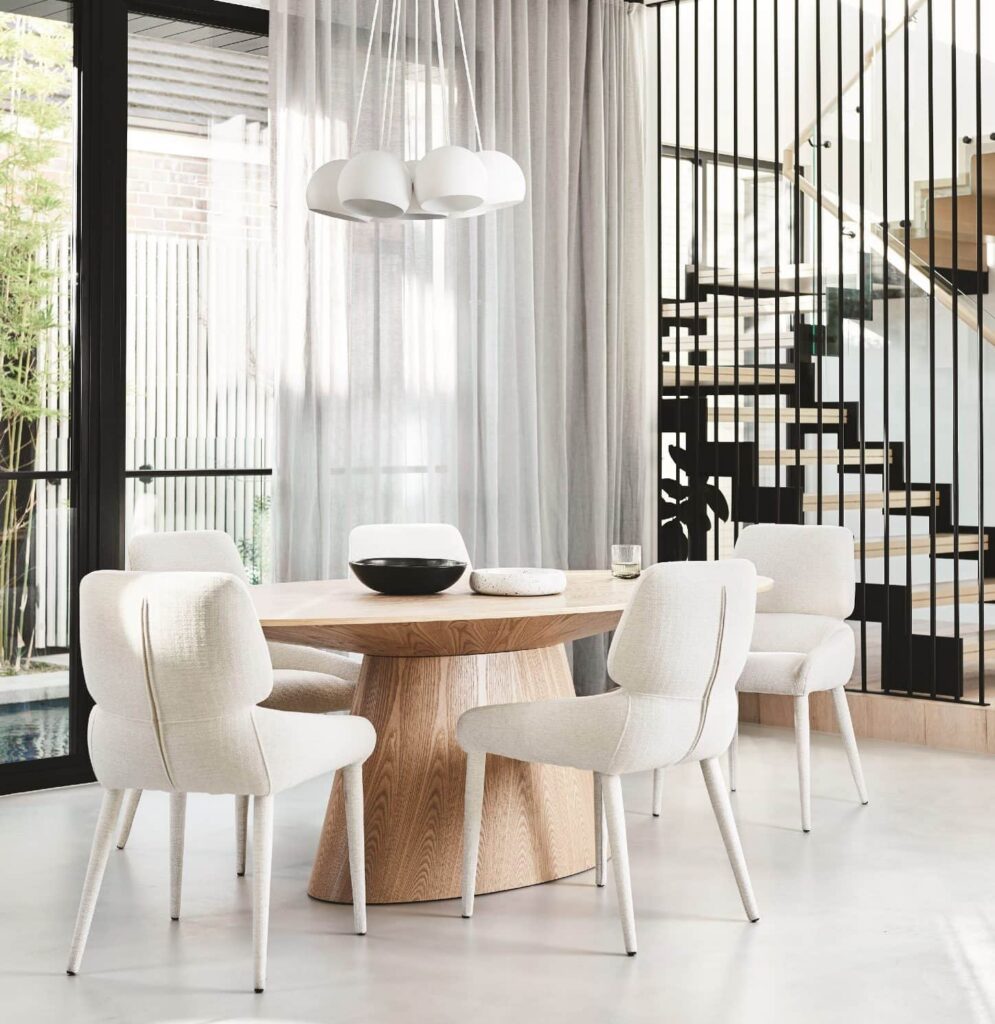
How can they tell if the joinery is genuinely strong?
They can look for proven joints and reinforcement, not just hidden screws. A big part of choosing a dining table and chair set that lasts is checking how parts connect, because wobble usually starts at weak joints.
Good signs include mortise-and-tenon or dowelled joints, corner blocks under the table frame, and chairs with braced rails. If possible, they should gently twist a chair back and press down on the table corners; excessive flex often signals shortcuts in construction.
Which chair designs hold up best over time?
Chairs with strong frames, supportive rails, and replaceable parts tend to age well. For anyone choosing a dining table and chair set that lasts, chair durability matters as much as the tabletop because chairs take constant side loads.
Timber chairs with stretchers between legs can feel more rigid long-term. Metal-framed chairs can be excellent too, especially with quality welds. If upholstery is involved, removable seat pads or easily reupholstered designs help extend the set’s life without replacing everything.
What finishes cope best with stains, heat, and sunlight?
A durable finish is the protective layer that takes the hit, not the timber itself. When choosing a dining table and chair set that lasts, they should think about their household habits: hot mugs, red wine, curry nights, and kids’ craft sessions.
Polyurethane and quality two-pack finishes are typically hard-wearing for daily use. Hardwax oils can look beautiful and are easy to spot-repair, but they may need more frequent maintenance. In bright Australian rooms, UV exposure can shift colour, so UV-resistant furniture finishes can help minimise colour changes when pieces are exposed to direct sunlight.
How should they size the table for comfort and less wear?
The right size prevents chairs scraping walls and legs getting knocked, which reduces damage over time. In many homes, choosing a dining table and chair set that lasts includes planning for clearance, not just seat count.
As a guide, they should aim for about 90 cm of space behind pulled-out chairs for easy movement, and at least 60 cm of width per person. If the room is tight, an extendable table can reduce daily congestion and still handle larger gatherings.
Should they choose an extendable table for long-term value?
Often, yes, as long as the extension mechanism is solid and the leaves align cleanly. For many households, choosing a dining table and chair set that lasts means buying one table that suits both daily meals and Christmas lunch.
They should check that the extension rails feel smooth, the lock points hold firmly, and the leaf stores safely without warping. A poorly engineered extension can become uneven over time, so stability is more important than a clever mechanism.
How do they match table height and chair height properly?
Correct proportions reduce rocking, discomfort, and long-term stress on joints. A practical part of choosing a dining table and chair set that lasts is ensuring chairs fit under the table without constant banging.
Most dining tables sit around 72–76 cm high, with seat heights around 45 cm, but it varies. They should look for roughly 25–30 cm between the seat and the underside of the tabletop apron for comfortable leg room, especially for taller family members.
What should they check in a showroom or on delivery day?
They should inspect stability, surfaces, and alignment while they can still raise issues. If they’re serious about choosing a dining table and chair set that lasts, a five-minute check can prevent years of annoyance.
They can check the table for level by pressing opposite corners, and check chairs for wobble on the same flooring type they have at home. They should also inspect the finish under bright light for patchiness, confirm the extension leaf sits flush, and ensure all feet have protectors or can take them.
How do they protect the set on Australian floors and in open-plan homes?
Protection is mostly about preventing abrasion and moisture problems that slowly loosen joints. For households choosing a dining table and chair set that lasts, small add-ons make a big difference.
Felt pads or quality chair glides reduce scraping on timber, tile, and polished concrete. In open-plan spaces, rugs can stabilise chair movement and reduce noise. If the dining area sits near a sliding door or coastal airflow, wiping salt residue and keeping surfaces dry helps prevent premature wear.
What care routine keeps a dining set looking new without much effort?
Simple, consistent care beats occasional heavy scrubbing. To support choosing a dining table and chair set that lasts, they should treat maintenance as a monthly habit, not a yearly project.
They can wipe spills quickly with a lightly damp cloth, then dry it, and avoid harsh cleaners that strip finishes. Coasters, placemats, and trivets reduce heat marks and staining. For oiled finishes, a periodic refresh coat can keep the surface protected and hide minor scratches.
How can they balance style trends with timeless durability?
They can choose classic shapes and durable materials, then use décor to bring the trend. The smartest approach to choosing a dining table and chair set that lasts is to avoid “trend-only” construction that looks great online but fails under daily use.
Neutral timber tones, simple silhouettes, and comfortable seating tend to age well. If they want a current look, they can add it through lighting, artwork, table linen, or chair cushions, which are cheaper to change than the furniture itself.
What’s the best way to decide on a set they won’t regret?
They should start with how they actually live, then buy the strongest build they can within budget. Ultimately, choosing a dining table and chair set that lasts means prioritising stability, repairability, and finishes that match the household’s habits. They should also consider what size dining table suits your living space, taking room dimensions, seating needs, and available circulation space into account.
If they shortlist two options, the better choice is usually the one with sturdier joinery, comfortable chairs, and a finish they can maintain easily in Australian conditions.
FAQs (Frequently Asked Questions)
What does ‘long-lasting’ mean for an Australian dining table and chair set?
Long-lasting means the dining table stays flat, joints remain tight, and chairs don’t wobble after years of use. It involves durability against real-life conditions such as hot plates, sandy feet, dry heaters in winter, humidity in summer, stain and UV resistance, and designs that handle frequent moving on hard floors.
Which materials are best for a durable dining table and chair set in Australian homes?
Solid hardwoods like Victorian ash, Tasmanian oak, spotted gum, and blackbutt, along with quality metal frames, tend to last longest. Proper timber selection and sealing for local climates are crucial. Engineered timber can be suitable if it has thick veneers and stable cores; however, thin veneers and soft substrates usually show damage faster.
Are solid timber tops always better than veneer or engineered tops for longevity?
Not always, but solid timber is often easier to refinish and repair minor dents or worn finishes. High-quality veneer tops can also be stable and attractive, especially where temperature swings are common. The key factors include veneer thickness, edge detailing, and protection with a hard-wearing finish rather than a thin coating.
What table shapes and edge details help prevent damage from everyday knocks?
Rounded corners and thicker edge profiles handle daily bumps better than sharp or thin edges. Round and oval tables reduce corner damage and suit smaller spaces. For rectangular tables, bullnose or rounded edges chip less than square profiles, making them ideal for busy family environments.
How can I identify strong joinery in a dining table or chair set?
Look for proven joints such as mortise-and-tenon or dowelled joints, corner blocks under the table frame, and chairs with braced rails. Avoid sets relying solely on hidden screws. Testing by gently twisting chair backs or pressing table corners can reveal excessive flex indicating weak construction.
What finishes best protect dining furniture from stains, heat, and sunlight in Australia?
Durable finishes like polyurethane and quality two-pack coatings are hard-wearing against daily use including hot mugs, wine spills, curry stains, and craft messes. Hardwax oils offer easy spot repairs but require more maintenance. In bright rooms with UV exposure, tinted finishes or careful placement away from direct sun help prevent color shifting.