
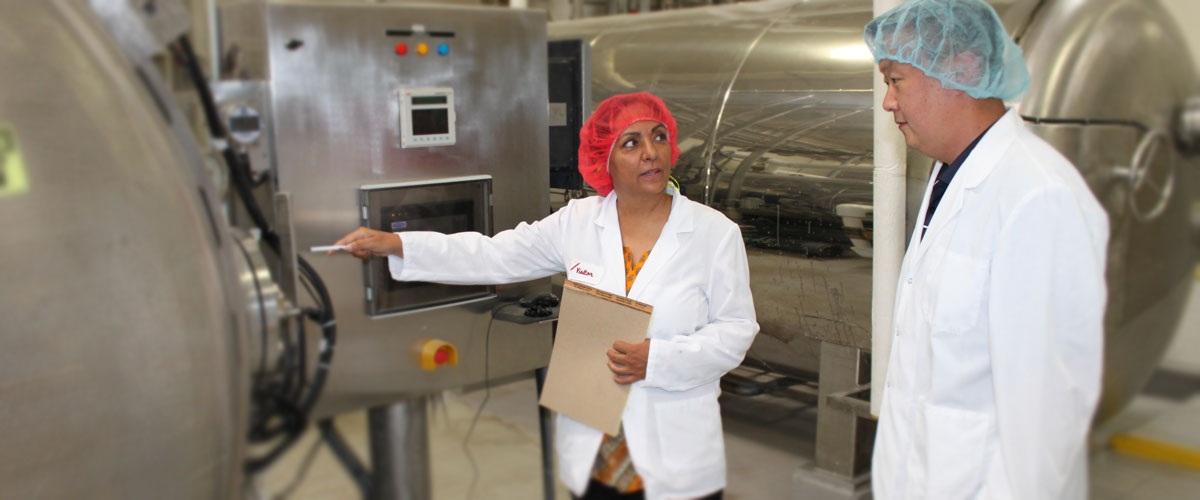
Below are the most practical audit readiness tool categories to shortlist, plus what they should look for when evaluating vendors.
What should teams look for in an audit readiness tool in 2026?
They should prioritize traceable evidence, fast retrieval, and workflows that prevent issues before an auditor finds them. The right platform makes it easy to show “what happened, when, who approved it, and what was done next” during food safety compliance audits without exporting ten spreadsheets.
Key requirements: version control, e-signatures, corrective action workflows, training records, supplier documentation, audit trails, and configurable retention. Bonus points if it supports multiple standards and sites in one system.
Which document control tools make audits easier?
They make audits easier by turning SOPs, forms, and policies into controlled documents with approvals, read-and-understood tracking, and clean revision histories. Instead of guessing which version was used on a production floor, they can show it instantly.
They should look for role-based access, automatic obsolescence of old docs, QR access at point-of-use, and the ability to link documents directly to records like CCP checks, sanitation logs, and deviations.
Which digital checklist and inspection apps improve audit readiness?
They improve readiness by standardizing inspections, capturing photo evidence, and time-stamping results so audits are less about storytelling and more about proof. If a site runs pre-op checks daily, the tool should make that data searchable in seconds.
They should choose tools that support offline mode, conditional logic, corrective actions from failed items, and dashboards that show recurring failures. Exporting should be optional, since auditors often just need on-screen traceability.
Which HACCP and preventive controls platforms help demonstrate control?
They help by mapping hazards to controls and connecting monitoring, verification, and corrective actions into one traceable system. That structure is what auditors typically test: not just a plan, but evidence that the plan is followed.
They should ensure the tool supports CCP/OPRP monitoring, deviation handling, verification schedules, calibration records, and trend analysis. It should also make plan updates auditable, showing who changed critical limits and why.
Which training and competency tools reduce audit findings?
They reduce findings by proving that people were trained on the right content, at the right time, with proof of completion. Many food safety findings come from training gaps that are obvious only when records are scattered.
They should look for job-role training matrices, automated retraining triggers when SOPs change, quiz assessments, and easy reporting by line, shift, or facility. Mobile-friendly access matters when teams do not sit at desks.
Which supplier and COA management tools support faster compliance checks?
They support audits by organizing supplier approvals, risk ratings, specs, questionnaires, and COAs so teams can answer supplier-related questions immediately. Auditors often want to trace raw materials back to approved suppliers and verified specs.
They should prioritize tools that collect documents from suppliers via portals, flag expirations, and link materials to lots and finished goods. Strong search and filters are more valuable than fancy scoring if records cannot be found quickly.

Which traceability and recall tools best prove readiness?
They prove readiness by showing that teams can execute a one-step-forward, one-step-back trace quickly, with timestamps and lot relationships clearly documented. In 2026, auditors increasingly expect mock recalls to be repeatable and measured.
They should choose tools that connect lots, ingredients, processing steps, and shipments, and that can generate trace reports and mock recall metrics in minutes. Integration with ERP and labeling systems is often the difference between “possible” and “fast.”
Which environmental monitoring and sanitation tools strengthen audit evidence?
They strengthen evidence by tying EMP swabs, zone maps, sanitation schedules, chemical checks, ATP results, and corrective actions into a single audit trail. This is especially important where Listeria controls are scrutinized.
They should look for location hierarchies, trend alerts, corrective action workflows, and the ability to attach lab results and photos. The tool should also support verification tasks, so sanitation is not only performed but confirmed.

How should they choose the right stack without overbuying?
They should start with what auditors ask for most: controlled documents, completed records, CAPA, training, supplier files, and traceability. If one platform covers 80 percent well, it often beats five disconnected apps.
A practical approach is to shortlist two to three vendors per category, run a pilot at one site, then test retrieval speed: “Can they pull the last 30 days of CCP checks, deviations, and CAPA outcomes in under five minutes?” If not, it is not an audit readiness tool.
FAQs (Frequently Asked Questions)
What are the key features to look for in an audit readiness tool in 2026?
In 2026, audit readiness tools should prioritize traceable evidence, fast retrieval, and workflows that prevent issues before auditors find them. Essential features include version control, e-signatures, corrective action workflows, training records, supplier documentation, audit trails, and configurable retention. Bonus capabilities include support for multiple standards and sites within one system.
How do document control tools facilitate easier audits?
Document control tools simplify audits by turning SOPs, forms, and policies into controlled documents with approvals, read-and-understood tracking, and clean revision histories. Features like role-based access, automatic obsolescence of outdated documents, QR code access at point-of-use, and the ability to link documents directly to records such as CCP checks and sanitation logs ensure instant verification of the correct document versions used.
What benefits do digital checklist and inspection apps offer for audit readiness?
Digital checklist and inspection apps standardize inspections by capturing photo evidence and time-stamping results, making audits more about proof than storytelling. Ideal tools support offline mode, conditional logic, corrective actions from failed items, dashboards highlighting recurring failures, and optional exporting since auditors often prefer on-screen traceability.
Which functionalities should HACCP and preventive controls platforms have to demonstrate control effectively?
HACCP and preventive controls platforms should map hazards to controls while integrating monitoring, verification, and corrective actions into a single traceable system. They must support CCP/OPRP monitoring, deviation handling, verification schedules, calibration records, trend analysis, and make plan updates auditable by showing who changed critical limits and why.
How can training and competency tools help reduce audit findings?
Training and competency tools reduce audit findings by providing proof that personnel were trained on the right content at the right time with completion evidence. Look for features such as job-role training matrices, automated retraining triggers when SOPs change, quiz assessments, easy reporting by line or facility, and mobile-friendly access for non-desk-based teams. You ma like to visit https://homewithwillow.com/digital-food-safety-management-turning-data-into-actionable-insights/ to learn more about “Digital Food Safety Management: Turning Data Into Actionable Insights”.
What criteria should be used to select supplier and COA management tools for faster compliance checks?
Supplier and COA management tools should organize supplier approvals, risk ratings, specifications, questionnaires, and COAs efficiently so teams can quickly respond to supplier-related queries. Prioritize tools that collect documents via supplier portals, flag expirations proactively, link materials to lots and finished goods accurately, and offer strong search capabilities over complex scoring systems to ensure rapid record retrieval.